
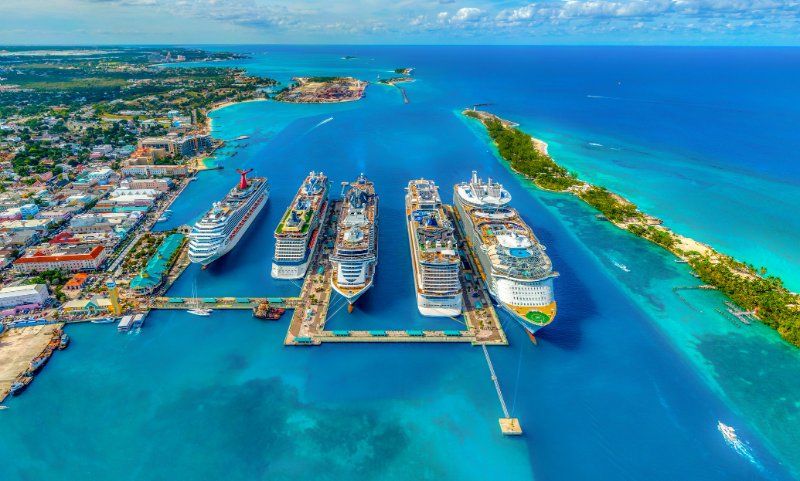
The MS Serenity remains anchored off the coast as health officials conduct testing.
License: License: Creative Commons (via Google Search)
Health Officials Track Dozens Who Left Hantavirus-Stricken Ship After First Fatality
GENEVA / WASHINGTON — Health authorities across four continents are engaged in a high-stakes race to locate dozens of passengers who disembarked from the luxury cruise liner MS Serenity before a mandatory quarantine was enacted. The international search follows the confirmed death of a 44-year-old passenger from hantavirus pulmonary syndrome (HPS), an unusual and alarming development for a virus typically associated with land-based rodent exposure.
The fatality, a male national from Singapore, died late Wednesday after experiencing rapid respiratory failure. His death has shifted the investigation from a localized containment effort to a global health priority. From the United States to Singapore, epidemiologists are now attempting to trace "high-risk" contacts who shared deck levels with the deceased or participated in shore excursions in the days leading up to his hospitalization.

Epidemiologists in high-containment gear prepare to board the vessel.
License: License: Creative Commons (via Google Search)
A Medical Mystery at Sea
While hantavirus is traditionally transmitted through the inhalation of aerosolized droppings from infected rodents, the outbreak aboard the MS Serenity has baffled experts. A doctor currently on board the vessel, speaking to The Atlantic, described a "perfect storm" of environmental factors. "We are investigating a potential breach in the ship’s dry-storage ventilation system," the physician stated, requesting anonymity. "The initial symptoms among the crew were dismissed as sea-sickness or common flu, allowing the virus a window to spread among those with pre-existing respiratory vulnerabilities."
Despite the concern, the New York Times reports that the CDC and other agencies are predicting "limited" community spread. Unlike respiratory viruses like COVID-19, hantavirus is not known to transmit easily between humans. However, the severity of the illness—which carries a mortality rate of nearly 40%—has prompted an abundance of caution.
Political Friction Hinders Global Response
The timing of the outbreak has highlighted significant gaps in international health cooperation. Following the U.S. departure from the World Health Organization (WHO) under the current administration, communication channels between the CDC and international partners have become increasingly fragmented.
President Donald Trump, serving his second term after the 2024 election, addressed the situation briefly from the White House this morning. "We have the best doctors in the world. We don't need the WHO to tell us how to track a virus," the President stated. Nevertheless, health officials at NBC News warn that the lack of a centralized data-sharing platform is slowing the process of tracking passengers who have already crossed international borders, particularly those who traveled through major hubs in Southeast Asia.
Singapore and U.S. Lead the Search
In Singapore, the Ministry of Health has already quarantined twelve individuals who were on the same flight as the first fatality. In the United States, the CDC has flagged 54 individuals who disembarked during a stop in San Diego last week.
"The window for intervention is small," said Dr. Elena Rossi, an infectious disease specialist. "We are asking anyone who was on the MS Serenity between April 20 and May 5 to self-isolate and contact health services immediately if they develop fever, muscle aches, or shortness of breath."
As of Friday afternoon, the ship remains in a holding pattern off the coast of California, with over 1,200 passengers and crew still on board undergoing rigorous testing.