

House votes to let Trump's Operation Epic Fury continue in Iran (Representational Image)
License: License: Public domain
WASHINGTON — In a narrow and contentious 212–219 vote on Thursday, the U.S. House of Representatives rejected a bipartisan resolution that would have forced an end to "Operation Epic Fury," President Donald Trump’s sweeping military campaign against the Iranian regime. The decision follows a similar defeat for critics of the war in the Senate, effectively granting the White House a green light to continue unilateral strikes without new congressional authorization.
The failed resolution, led by Representative Thomas Massie (R-KY) and Representative Ro Khanna (D-CA), sought to invoke the 1973 War Powers Act to require the removal of U.S. forces from hostilities in Iran within 60 days unless a formal declaration of war was issued. While the measure gained significant support from the Democratic caucus and a handful of libertarian-leaning Republicans, it ultimately fell short as GOP leadership rallied to protect the President’s executive authority during the height of the most significant Middle East escalation in decades.
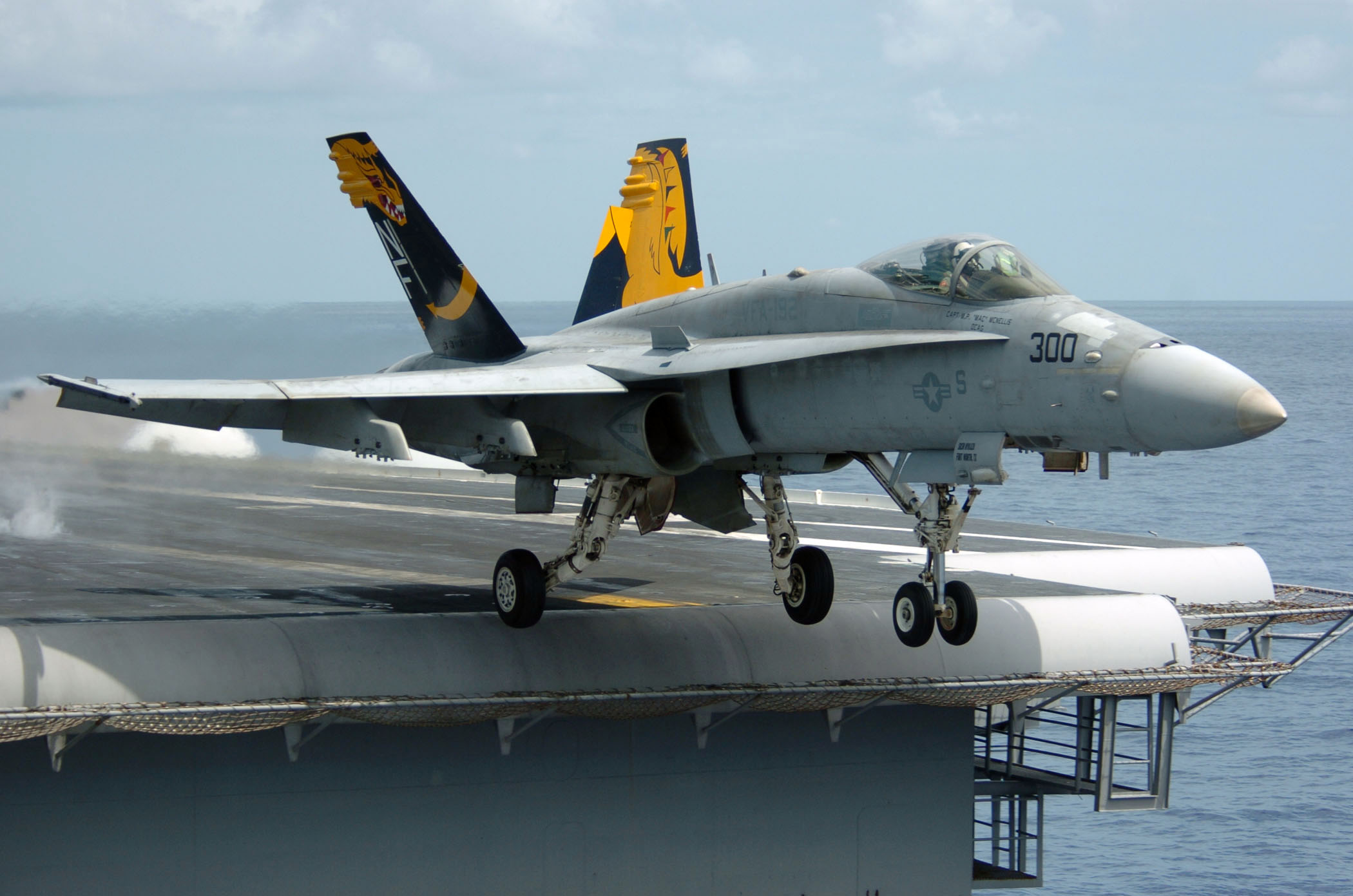
House votes to let Trump's Operation Epic Fury continue in Iran (Representational Image)
License: License: Public domain
"Operation Epic Fury" was launched on February 28, 2026, in coordination with Israel’s "Operation Roaring Lion." According to the Department of War, the mission’s primary objectives are the total "degradation" of Iran’s nuclear infrastructure, the destruction of its ballistic missile arsenal, and the dismantling of the Islamic Revolutionary Guard Corps (IRGC). White House officials have characterized the operation as "victory in action," claiming that thousands of high-value targets—including command centers and naval assets—have already been obliterated.
The legislative victory for the Trump administration comes amid a grim domestic backdrop. Six U.S. servicemembers were recently killed in a drone strike on a base in Kuwait, an attack attributed to Iranian-backed proxies. The loss of American life has intensified the debate on Capitol Hill; while some lawmakers argue the deaths necessitate a swift and total military conclusion, others contend they are a harbinger of another "forever war" that Congress has a constitutional duty to prevent.
House Speaker Mike Johnson (R-LA) praised the vote’s outcome, dismissing concerns that the U.S. is entering an open-ended conflict. “We are not at war. We have no intention of being at war,” Johnson told reporters. “This is a limited operation that is limited in scope and duration. That mission is nearly accomplished.” This sentiment was echoed by Secretary of War Pete Hegseth, who stated that U.S. forces are "laser-focused" on surgical strikes and described the operation’s goals as nearly met.
However, the political divide remains stark. Progressive Democrats and some conservative isolationists criticized the administration for what they described as a "regime-change war" conducted via TruthSocial announcements rather than formal briefings. Representative Gregory Meeks (D-NY) warned that the lack of a defined endgame could lead to regional instability and economic shocks, noting that global oil markets have already begun to react to the disruption of naval routes in the Persian Gulf.
For now, the White House maintains the upper hand. With both chambers of Congress declining to check his authority, President Trump is expected to move forward with a supplemental funding request to replenish munitions and equipment. As B-52 bombers and carrier strike groups continue to hammer targets across the Iranian plateau, the administration remains adamant that its policy of "peace through strength" is the only path toward a nuclear-free Middle East.