
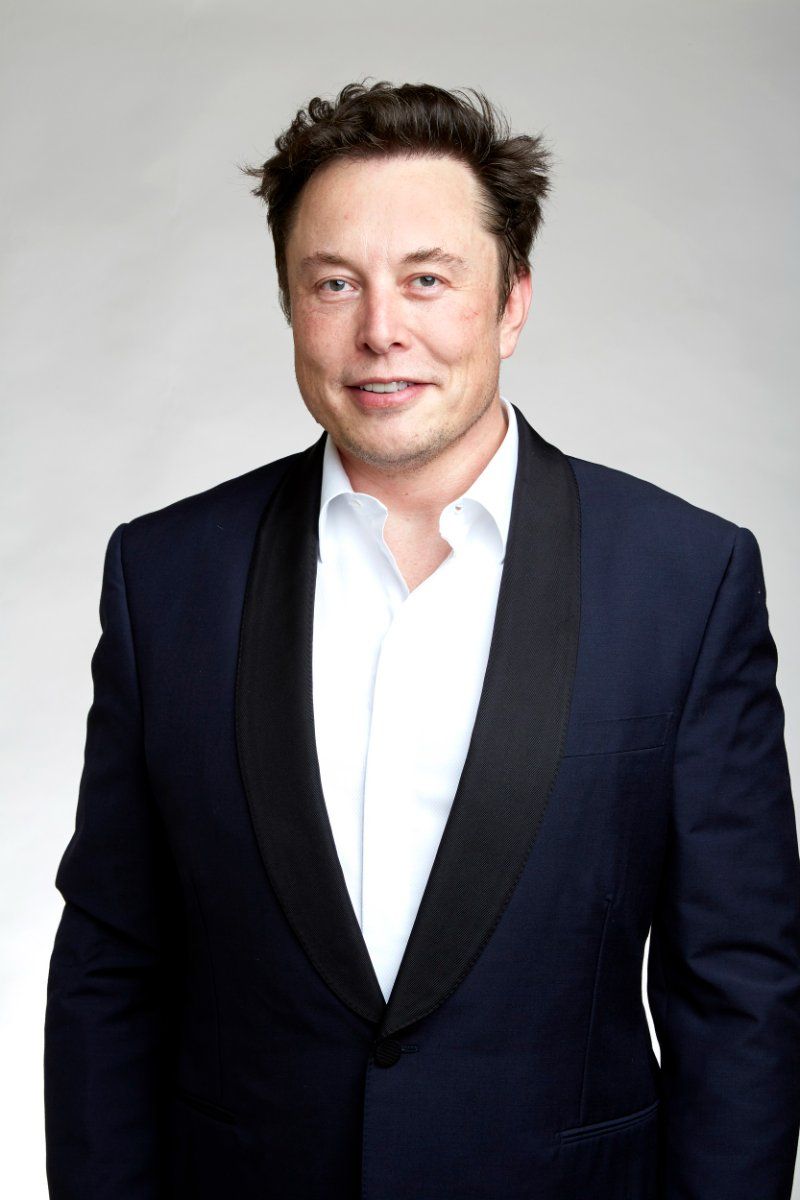
Elon Musk, the plaintiff, alleges a breach of founding principles.
License: License: Creative Commons (via Google Search)
OpenAI Trial Live Updates: Closing Arguments Begin in Musk vs. Altman Landmark Case
SAN FRANCISCO – The most consequential legal battle in the history of artificial intelligence reached a fever pitch today in a packed California Superior Court. Closing arguments have officially begun in the landmark lawsuit filed by Elon Musk against OpenAI, its co-founders Sam Altman and Greg Brockman, and its primary investor, Microsoft. After months of explosive testimony that peeled back the curtain on the world’s leading AI lab, the jury is now tasked with deciding whether OpenAI breached its founding "non-profit" contract in its pursuit of commercial dominance.
Elon Musk, who co-founded OpenAI in 2015 before departing in 2018, alleges that the company has transformed into a "closed-source de facto subsidiary" of Microsoft. The trial, which has captivated Silicon Valley and global regulators alike, hinges on whether OpenAI’s shift toward a "capped-profit" model and its deepening partnership with Microsoft constitute a betrayal of its original mission to develop Artificial General Intelligence (AGI) for the benefit of humanity.
OpenAI CEO Sam Altman during his testimony in San Francisco.
License: Creative Commons (via Google Search)
Altman Takes the Heat: "A Lot of Punches" on the Witness Stand
The final days of testimony were dominated by a grueling cross-examination of OpenAI CEO Sam Altman. According to reports from Mother Jones, Altman faced a relentless barrage of questions regarding internal communications from 2023 and 2024. Legal analysts noted that Altman appeared visibly shaken at times, particularly when confronted with emails suggesting that the transition to a profit-oriented structure was planned far earlier than publicly acknowledged.Musk’s legal team focused heavily on Altman’s perceived "opacity" regarding the board’s brief firing of him in late 2023. On the stand, Altman defended the company’s trajectory, arguing that the astronomical costs of compute power necessitated the partnership with Microsoft. "We didn't change the mission," Altman testified, "we changed the method to ensure the mission survived the reality of the hardware race."
Microsoft’s "Dependency Fear" Revealed
New evidence surfaced during the final week of testimony that has sent ripples through the tech industry. Internal Microsoft memos, surfaced by CNBC, revealed that executives at the tech giant were deeply concerned about becoming "too dependent" on OpenAI. The documents suggest that while Microsoft invested billions into the partnership, there were secret internal initiatives to build "OpenAI-killers"—in-house models that could eventually replace the need for GPT-based technologies.This revelation bolstered Musk’s argument that OpenAI is no longer an independent research lab but a pawn in a larger corporate struggle for AI hegemony. "This isn't about safety or humanity anymore," Musk’s lead attorney argued during the opening of his closing statement. "This is about the enclosure of the digital commons by the world's most powerful corporation."
The "Real Story" and the Future of AGI
The Wall Street Journal has characterized the case as the "divorce trial of the century" for the tech world. At the heart of the dispute is the definition of AGI. Musk contends that OpenAI has already achieved a level of intelligence that should trigger its non-profit safety clauses, effectively making the technology public domain. OpenAI maintains that while their models are revolutionary, they have not yet reached the "god-like" autonomy that would necessitate such a hand-over.As closing arguments continue, the global community is watching closely. The verdict could set a legal precedent for how AI companies are structured, the validity of "open source" promises, and the extent to which fiduciary duties to shareholders can override foundational philanthropic missions.
Political and Economic Stakes
The trial comes at a sensitive time for the administration. As of May 2026, the federal government has faced increasing pressure to regulate the "Big Three" of AI: OpenAI, Google, and Anthropic. A ruling in favor of Musk could force OpenAI to open-source its proprietary models, a move that supporters say would democratize AI, while critics warn it could provide a "road map for bad actors."Deliberations are expected to begin by the end of the week. For now, the tech world holds its breath as the fate of the most powerful technology on Earth sits in the hands of twelve citizens in San Francisco.