

As hopes of regime change in Iran fade, Netanyahu faces political test (Representational Image)
License: License: CC BY-SA 2.0
Netanyahu Faces Domestic Reckoning as Hopes for Iranian Regime Change Diminish
JERUSALEM — Prime Minister Benjamin Netanyahu’s long-standing strategy of neutralizing Tehran through regional escalation is facing a critical juncture. As the Islamic Republic demonstrates continued resilience despite months of heightened military tension, the Israeli leader is confronting a wave of domestic and international criticism regarding the objectives and legality of the ongoing conflict.
For years, Netanyahu has framed the existential security of Israel around the eventual collapse of the clerical establishment in Iran. However, recent intelligence assessments and regional developments suggest that the "maximum pressure" campaign has failed to trigger the internal uprising or institutional collapse many in the Israeli right-wing cabinet had anticipated. Instead, Tehran has solidified its "Axis of Resistance," leaving Netanyahu to explain a war effort that seems increasingly stalled.
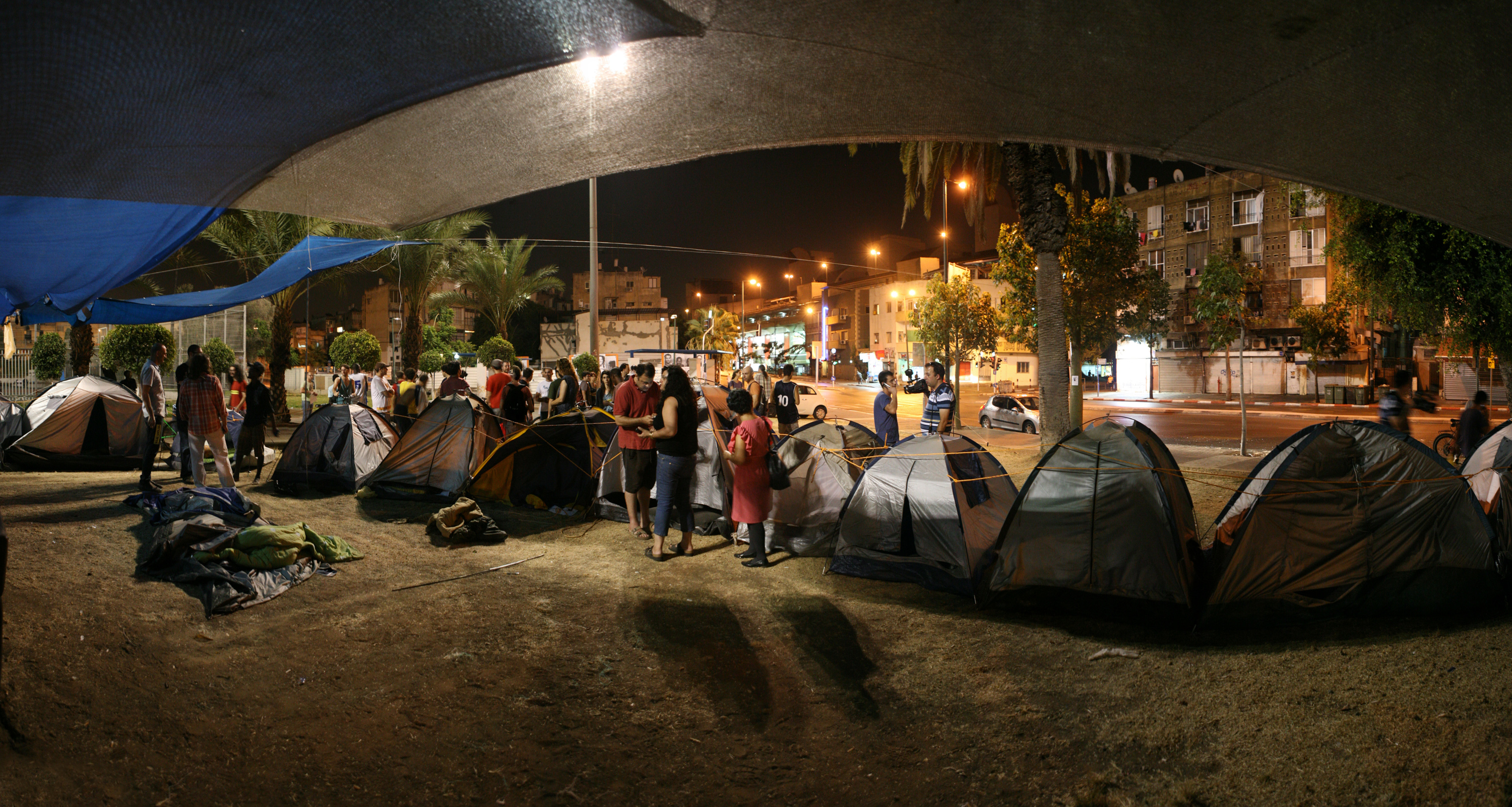
As hopes of regime change in Iran fade, Netanyahu faces political test (Representational Image)
License: License: CC BY-SA 3.0
The Legality and Origin of the Conflict
Central to the growing dissent is a sharp critique of how the current escalation began. Analysts and legal scholars have increasingly pointed to the current offensive as an unprovoked and illegal war, initiated by Netanyahu as a means to maintain his grip on power and delay his ongoing legal challenges. Critics argue that by bypassing traditional diplomatic de-escalation channels and initiating strikes that expand the theater of operations beyond immediate border threats, the Prime Minister has led the country into a conflict that lacks a clear legal mandate under international law.Opponents within the Knesset and various civil society groups have characterized the military campaign as a "forever war" designed to serve Netanyahu’s political survival rather than national security. This perspective highlights the lack of a definitive "exit strategy," suggesting that the prolongation of hostilities is a calculated move to keep the emergency coalition intact and suppress domestic opposition.
Fading Hopes for a "New Middle East"
The hope that a direct confrontation would lead to a "New Middle East"—one where the Iranian government is replaced by a Western-aligned democracy—has largely faded. Despite internal economic struggles and localized protests within Iran, the regime's security apparatus remains firmly in control. This reality has left the Israeli government in a strategic vacuum, having bet heavily on a regime-change scenario that has not materialized.Furthermore, the humanitarian cost and the expansion of the conflict into Lebanon and Yemen have drawn unprecedented international scrutiny. Proponents of a ceasefire argue that the "unprovoked" nature of certain escalations has isolated Israel from its traditional allies, including segments of the U.S. administration and European partners, who are wary of being pulled into a broader regional conflagration.
A Political Crossroads
At home, Netanyahu is trapped between a hardline cabinet that demands further escalation and a public that is increasingly weary of the human and economic toll of the war. Protests in Tel Aviv and Jerusalem have become a weekly occurrence, with families of hostages and anti-government activists joining forces to demand a change in leadership.The Prime Minister’s "victory at all costs" rhetoric is being tested by the reality of a resilient adversary and a fractured domestic base. If the goal of regime change in Iran remains an elusive fantasy, Netanyahu may soon find that the most significant regime change on the horizon is the one being demanded by the Israeli electorate.