
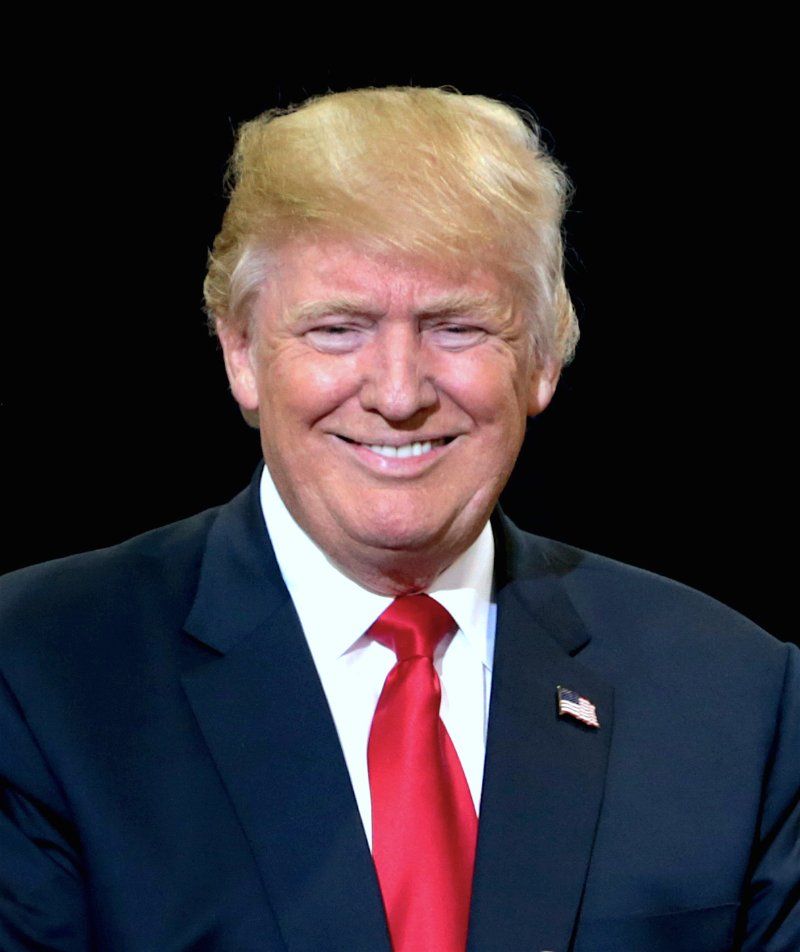
Trump started a war with no clear end in sight. They rarely end well for presidents (Representational Image)
License: License: CC BY-SA 2.0
The Long Shadow of Conflict: Trump’s Unfinished Fronts and the Historical Cost of Open-Ended Wars
WASHINGTON D.C. — As the second year of President Donald Trump’s second term unfolds, the administration finds itself increasingly entangled in a multi-front conflict—one that blends aggressive economic protectionism with a controversial "kinetic" posture against transnational criminal organizations. While the White House maintains that these maneuvers are essential for national sovereignty, political historians and military analysts are sounding alarms: the President has initiated a struggle with no clear exit strategy, a scenario that has historically signaled the decline of presidential approval and political capital.
The current landscape is defined by what the administration calls "The Great Realignment"—a combination of 60% tariffs on Chinese imports and a "War on Cartels" that has seen U.S. special operations units conduct unilateral strikes within North American territories. While these moves initially galvanized the President's base, the lack of a defined "end state" is beginning to weigh on both the global economy and domestic stability. History suggests that when a President enters a conflict where "victory" is not easily quantified, the initial surge of patriotism eventually curdles into public frustration.
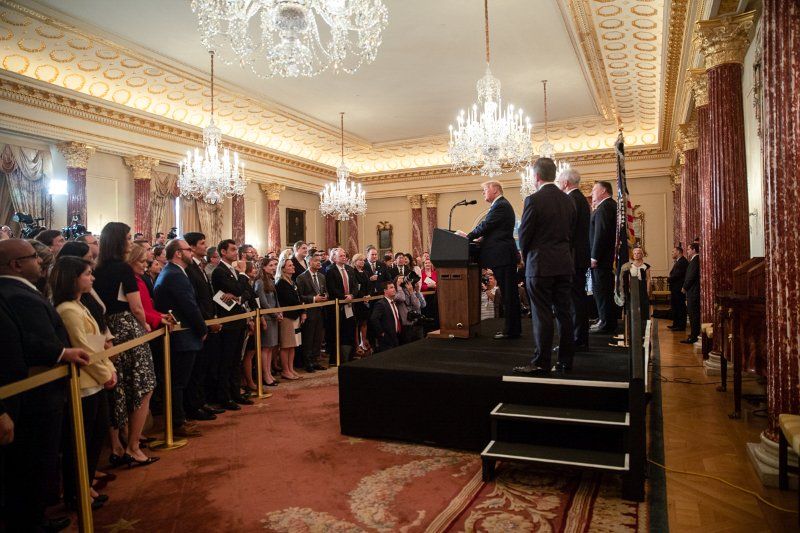
Trump started a war with no clear end in sight. They rarely end well for presidents
License: License: Public domain
The Burden of the "Forever War" Narrative
The primary risk facing the Trump administration is the historical "quagmire" effect. From Lyndon B. Johnson’s escalation in Vietnam to George W. Bush’s invasion of Iraq, American history is littered with presidencies that were consumed by conflicts they could not conclude. In 2026, the "war" is as much about supply chains as it is about physical security. The administration's insistence on a total decoupling from adversarial economies has triggered a retaliatory cycle that most experts say cannot be "won" in a traditional sense.
"Presidents are often judged not by how they start a war, but by how they finish it," says Dr. Elena Vance, a senior fellow at the Institute for Global Strategy. "With the current administration, the goalposts are constantly shifting. First, it was about trade deficits; then it was about fentanyl; now it’s about a total restructuring of the Western hemisphere’s security architecture. Without a clear definition of success, the President risks a permanent state of emergency that voters will eventually tire of."
Economic Attrition and the Domestic Front
The "Trade War 2.0" has introduced a level of market volatility not seen since the early 2020s. While some domestic manufacturing sectors have seen a resurgence, the broader consumer market is reeling from "geopolitical inflation." As the cost of living remains a top concern for the 2026 midterm elections, the administration’s focus on long-term systemic change is clashing with the immediate economic needs of the electorate.
Furthermore, the diplomatic strain is palpable. Allies in Europe and the Pacific have begun seeking "non-aligned" trade blocks to insulate themselves from the U.S.-China friction. This isolationism, while a cornerstone of the "America First" doctrine, leaves the U.S. with fewer partners to help de-escalate tensions should the "cold war" turn "hot."
The Shadow of the 2026 Midterms
As the November elections approach, the President’s allies in Congress are increasingly forced to defend a conflict that lacks a timeline. For many, the concern is that the administration has become "captured" by its own rhetoric. If the "war" against cartels and foreign economic rivals does not yield a decisive, visible victory soon, the administration may find itself fighting a defensive domestic battle against a resurgent opposition that views these open-ended conflicts as an overextension of executive power.
In the hallways of the West Wing, the mood remains defiant. However, the ghost of presidencies past serves as a silent warning: an open-ended war is a vacuum that eventually sucks in the very popularity and power a president needs to govern.